
Rising Together: What MIC's Story Teaches About Solidarity
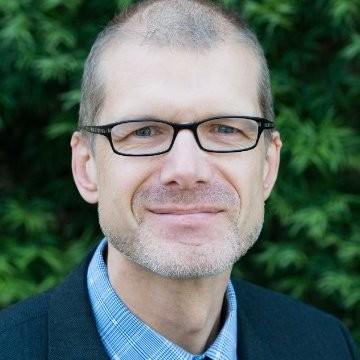
One month into my role at Marin Interfaith Council, I am eagerly learning its story, mostly from the people who lived it, both at the center and along the edges. MIC began in 1982, after the great floods of that winter, when two rabbis, a Presbyterian minister, and a Methodist minister came together: synagogues and churches, people of deep commitment, facing a disaster side by side.
In the decades since, MIC has ebbed and flowed with the times, but two threads keep returning.
The first is showing up for neighbors in need. In the 1980s, MIC's concern extended to families fleeing the wars in Central America, alongside the Marin Interfaith Task Force on Central America, and to housing and homelessness. An interfaith street chaplaincy emerged in the early 1990s, and in 2009 MIC helped launch the Marin Organizing Committee to build shared power for housing and economic justice. Since 2017, an accompaniment network has walked with migrant families, while interfaith climate action has responded to our heating planet and local fires. Floods and fires, hunger and homelessness, inequity and hostility: again and again, MIC has shown up.
The second thread is building relationships and shared discernment among people who rarely cross paths. It began with a friendship between a rabbi and a pastor. Over the decades, MIC has gathered people through forums, clergy luncheons, retreats, an annual prayer breakfast, and evenings of sacred music and art. When antisemitism and Islamophobia surged, religious leaders stood together, and in 2017 MIC launched “Love Lives in Marin,” which still works to confront hate and build belonging. Today, diverse spiritual teachers also lead monthly meditations, bridging Marin’s religious and spiritual practitioners. In all these ways, MIC helps create a shared public witness, working toward a more equitable Marin while tending the spiritual and moral roots that sustain it.
I believe both threads carry an interwoven practice: solidarity.
We don't choose whether to be interdependent; we only choose how we respond. The air we breathe is a gift of all that is green and crosses the Bay with every shift in the wind. Everything we build rests on what earlier generations handed down. Solidarity is our deliberate answer to all that we depend on: giving and receiving, rights held together with responsibilities.
Wisdom traditions across our communities — religious, spiritual, Indigenous, ancestral, and humanist — live out this answer in many ways. One well-known form is care for the neighbor. It is more than a golden rule. It is a habit of heart, hand, and mind: a meal served, a stranger sheltered, a sick friend visited, a gift given so another may live. Yet these traditions reach far beyond good deeds. They carry whole moral visions, cultivated over generations, that ask how wealth is shared, how the outsider is welcomed as kin, how we care for all living beings, and how communities redress inequity and make room for all to flourish.
Still, these traditions carry more, though it is often forgotten. Over millennia, they cultivated the awe and disciplined attention from which art and science grew. At their best, they also offer what our modern systems rarely do: practices for naming the harm we cause, including harm done within them or in their name, and for turning toward repair and new ways of living together.
And that includes MIC. We have our own pain points and growing edges, including racial justice, where some of us have been slower to show up, and our relationships with Indigenous neighbors who have too often been invisible to us. I hope we can name them as honestly as we celebrate what we have done well — and keep practicing the art of accompaniment as we grow new relationships and ways forward together.
I see our work as an invitation to courage and generosity, in giving and receiving. No one can be forced into solidarity. But only together can we build a culture in which each of us is free to choose to deepen a practice of solidarity: where every person belongs, safely meets their needs, and finds dignity in contributing creatively to the common good.
MIC began with a few clergy and a flood. I am eager to discover with you how the story continues, wherever neighbors choose to face together what is rising, drawing on all that sustains our creativity and our repair.
In solidarity,
Reuben
Author's note: The opening is a partial history, and many of you hold memories and stories of MIC that I have yet to hear, including from the edges, from those who stepped away, and from those who saw things differently. Please share them, and correct me where I have it wrong. You can reply to this newsletter or write to me at director@marinifc.org. The more of our story we gather, the better we can build on its strengths as we shape together what comes next.


Comments